Homes near the coast don’t “gently wear down.”
They get worked on. Daily. By salt in the air, heavy humidity, intense sun, and storms that don’t always send a warning before they show up.
On Sea Island, that wear doesn’t always look dramatic at first. It shows up as subtle fading, softened edges, a little less sharpness than the home had a year ago. Blink, and suddenly it feels like everything aged faster than expected.
That matters whether you plan to sell or not. Around here, homes aren’t just places to live. They’re investments, second homes, gathering spots, legacy properties. Letting them quietly drift backward isn’t usually part of the plan.
The good news is this: you don’t need to overhaul the entire property to keep it looking and performing the way it should. A few smart exterior-focused updates, done with coastal conditions in mind, carry a disproportionate amount of impact.
Start With the Barrier Between Your Home and the Ocean Air
On Sea Island, exterior paint isn’t decorative. It’s defensive.
Think of it as your home’s outer shell, constantly absorbing UV rays, resisting salt exposure, and trying to keep moisture from settling where it shouldn’t.
What Coastal Wear Actually Looks Like
It’s rarely dramatic right away. Instead, it builds:
- Color loses depth under constant sun exposure
- Trim edges soften from moisture cycles
- Caulking starts pulling back in places you don’t immediately notice
- Surfaces feel slightly chalky or tired
The challenge is that by the time it’s obvious, the protective layer has already been compromised for a while.
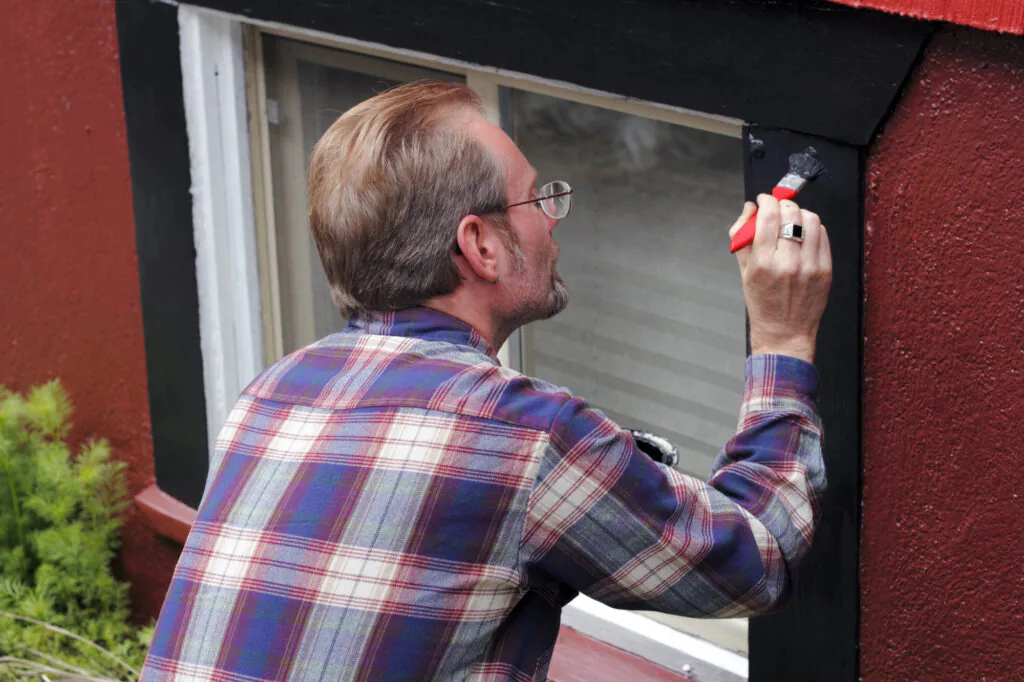
That’s where experienced coastal painters like D&D Decorators approach things differently. It’s not just repainting, it’s restoring that protective barrier so the next stretch of heat, salt air, and storms doesn’t accelerate the damage.
Why Prep Work Matters More Near the Coast
Shortcuts show up quickly here.
Proper surface prep, sealing, and product selection aren’t “nice to have,” they’re the difference between a finish that lasts and one that starts failing sooner than it should.
Color Choices That Actually Make Sense Here
In a place like Sea Island, color is part aesthetic, part strategy.
You’ll often see:
- Soft coastal whites
- Driftwood-inspired neutrals
- Pale blues and sea-glass tones
- Subtle, sun-friendly hues
They don’t just look appropriate. They hold up better under strong sunlight and feel consistent with the surrounding architecture.
The Grounds Should Complement, Not Compete
There’s a certain restraint to well-maintained coastal properties.
Nothing feels forced. Nothing feels overdesigned.
That’s intentional.
What Works on Sea Island Properties
Instead of bold landscaping statements, the goal is cohesion:
- Clean, shaped greenery that doesn’t crowd the structure
- Defined walkways that guide movement naturally
- Fresh mulch or ground cover that frames, not dominates
- Select plantings that feel like they belong to the environment
It’s less about “impressing” and more about creating a sense of ease.
Why This Supports Property Value
High-end buyers and homeowners tend to read subtle signals. A well-maintained exterior paired with balanced landscaping communicates care, consistency, and attention to detail.
Not flashy. Just right.
The Entry Experience Sets the Entire Tone
There’s a moment when someone approaches a home and slows down.
That’s where the entry takes over.
On Sea Island, entries tend to be more than functional. They’re part of the experience of the home.
Small Details That Quietly Elevate the Space
- A freshly painted door that feels intentional, not weathered
- Hardware that hasn’t dulled under sun and salt exposure
- Lighting that complements the architecture instead of fading into it
- Trim lines that look crisp, not worn down
Even the smallest details play a role here. Coastal light has a way of highlighting everything, including what’s been overlooked.
A deeper door color, like navy, charcoal, or a rich coastal green, often adds contrast without overpowering the home’s exterior palette.
The Hidden Cost of “It’s Not That Bad Yet”
This is where coastal homes tend to surprise people.
Small issues don’t stay small for long.
- Minor paint failure allows moisture to settle
- Small cracks expand with humidity cycles
- Wood begins to absorb moisture before it shows visible damage
With the combination of salt air and humidity, things move faster here than in inland climates.
Professionals who work in this environment daily tend to catch these early. Addressing them during a painting project is straightforward. Waiting usually introduces a much bigger scope.
Questions Sea Island Homeowners Tend to Ask
Is exterior painting more important near the coast?
Yes. It plays a critical role in protecting materials from moisture and salt exposure.
What if the home still looks “fine”?
That’s often the window where maintenance is most effective, before deterioration becomes visible.
Can smaller updates still make a difference?
Absolutely. Strategic updates can shift the entire feel of a property.
Does coastal weather really shorten paint lifespan?
It can, which is why preparation and materials matter so much in this environment.
For coastal property care and environmental considerations in Georgia, this resource offers helpful guidance: https://coastalgadnr.org
A More Grounded Way to Think About It
Homes on Sea Island don’t typically lose value overnight.
It happens gradually, when maintenance falls just slightly behind what the environment demands.
The flip side is reassuring.
Staying ahead of it doesn’t require constant projects. Just the right ones, at the right time, handled with an understanding of how coastal conditions actually affect the home.
If you’re weighing what makes sense next, having a conversation with a team that works specifically in this environment can give you clarity quickly.
No pressure. No overcomplication. Just a realistic look at what your home needs to keep performing the way it was meant to.