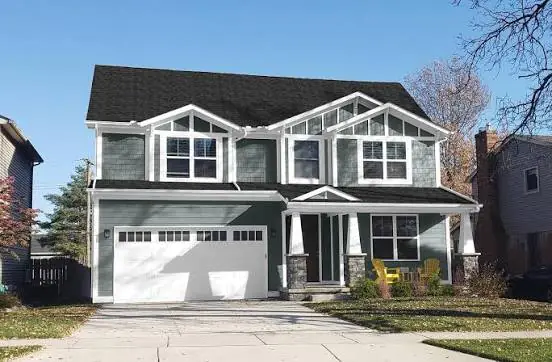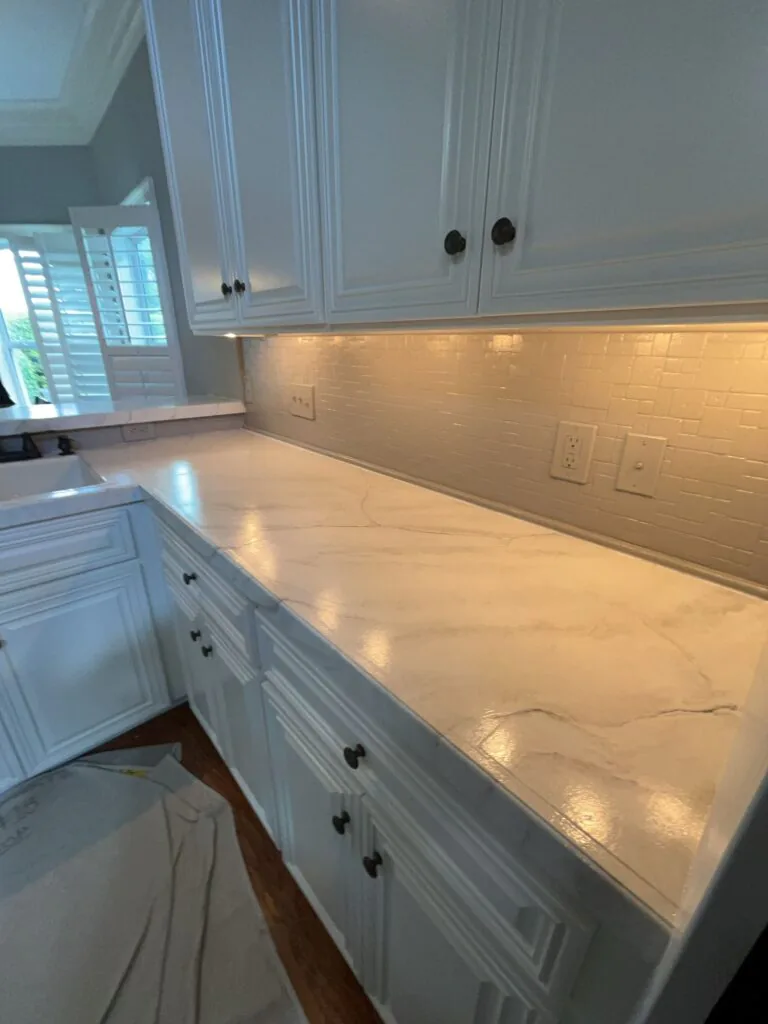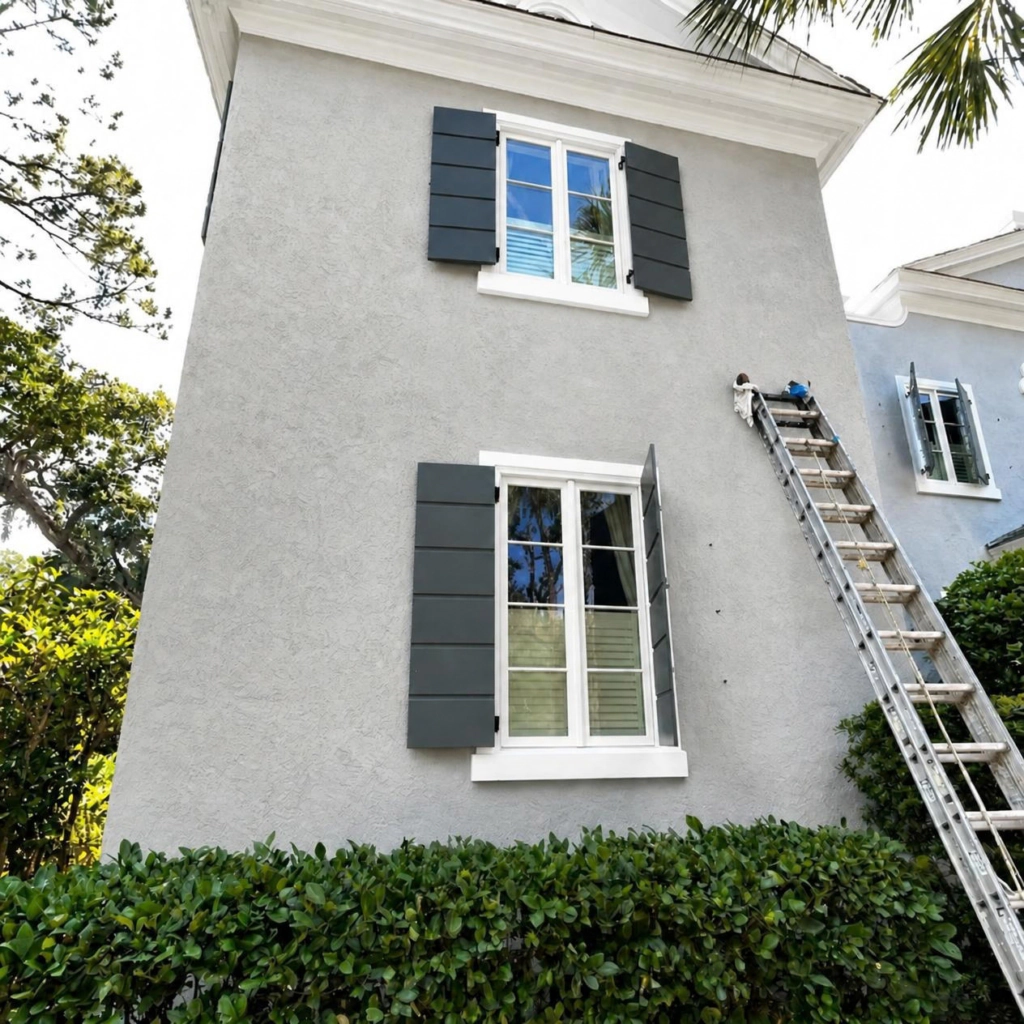

A quality exterior paint job may last approximately seven to ten years under favorable conditions, but that general guideline does not tell the whole story for homes in coastal Georgia.
In the Golden Isles, salt air, persistent humidity, intense sunlight, wind-driven rain and seasonal storms can accelerate fading and coating failure. The material being painted, the home’s exposure and the preparation completed before painting also make a major difference.
For homeowners in Brunswick, St. Simons Island, Sea Island, Jekyll Island and Darien, the better question is not simply, “How many years has it been?” It is:
Is the existing paint still protecting the surfaces underneath it?
How Often Should You Paint a House Exterior in Coastal Georgia?
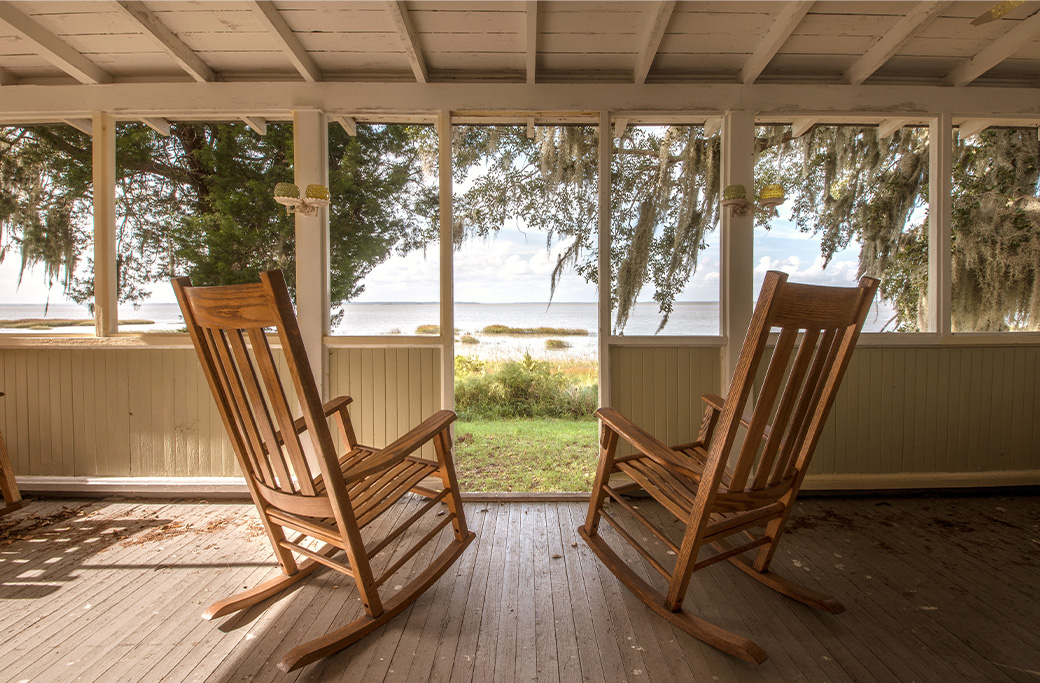
There is no single repainting schedule that applies to every coastal home. Sherwin-Williams provides a general exterior-paint lifespan of about seven to ten years, depending on the climate, surface material and quality of the paint used.
A home in coastal Georgia may need attention sooner if it has:
-
- Direct exposure to salt air
- Little protection from afternoon sunlight
- Persistent moisture or mildew
- Weathered wood siding or trim
- Cracked or separated caulk joints
- A previous paint job with insufficient preparation
- Areas regularly exposed to wind-driven rain
- Dark colors that absorb more heat
- Different siding, trim and architectural materials that weather at different rates
Some parts of the same house may also deteriorate faster than others. A shaded wall may remain in good condition while sun-exposed siding, trim, shutters or porch components begin showing wear.
Instead of relying entirely on the calendar, inspect the exterior regularly and respond to the condition of the paint and underlying surfaces.
Why Exterior Paint Can Deteriorate Faster Near the Coast
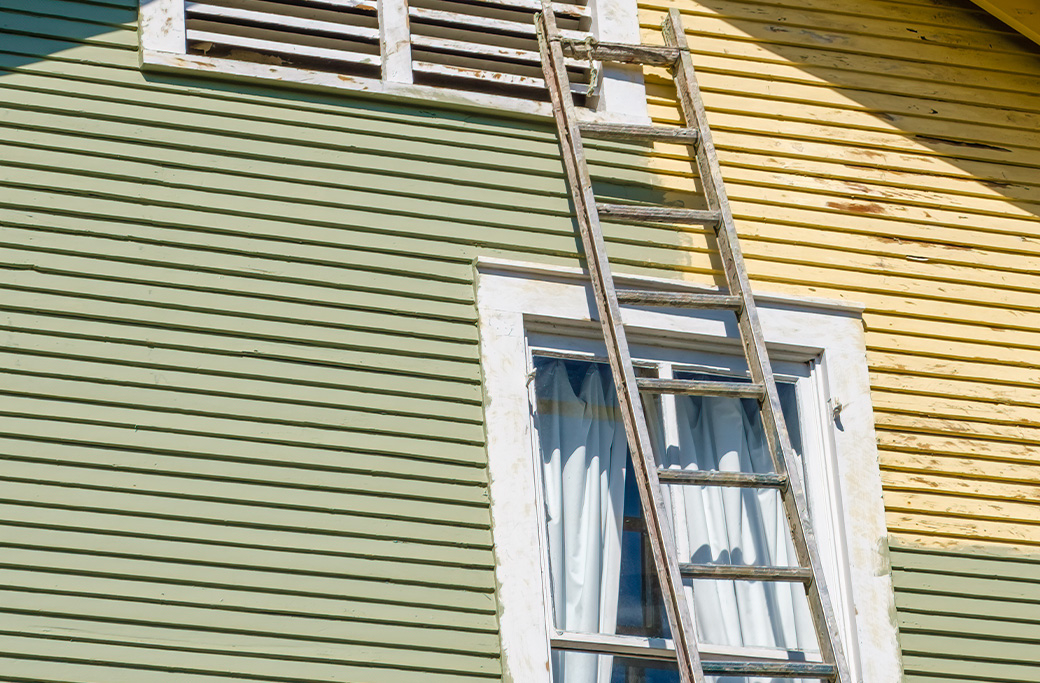
Exterior paint serves two purposes. It contributes to the appearance of a home, but it also helps protect siding, trim and other exterior materials from the weather.
That protective role is especially important in coastal Georgia.
Salt Air and Windborne Deposits
Salt and other airborne deposits can settle on siding, trim, doors, railings and porch surfaces. As buildup accumulates, the exterior can look dull or dirty. Contaminants left on the surface can also interfere with adhesion when a home is repainted without sufficient cleaning and preparation.
Homes closer to open water or more exposed to coastal wind may experience these effects more noticeably than protected inland properties.
High Humidity and Moisture
Humidity affects both an existing paint system and the conditions under which new coatings are applied.
Moisture that reaches wood through open joints, deteriorated caulk or damaged coatings can contribute to peeling, blistering and substrate deterioration. High humidity can also slow paint drying. Benjamin Moore advises that exterior surfaces must be fully dry before painting and notes that increasing humidity generally slows the drying process.
This is why professional exterior painting in the Golden Isles requires more than applying a new topcoat. The surface must be evaluated, cleaned, repaired and allowed to dry properly before it is repainted.
Intense Sunlight and UV Exposure
The sunlight that gives coastal Georgia much of its appeal can be hard on exterior finishes. UV exposure can gradually break down color and gloss, leaving painted surfaces faded or chalky.
South- and west-facing sections of a home often receive the strongest sunlight. Darker colors may also show fading or heat-related stress differently from lighter colors.
Fading does not always mean immediate coating failure, but it is a reason to examine the surface more closely.
Wind-Driven Rain and Storms
Rain does not always fall straight down along the coast. Wind can push moisture against siding, trim, windows, doors and other exterior transitions.
Small openings in caulk joints or coatings can allow moisture to reach the material underneath. Once water gets behind a failing paint film, repainting the surface without correcting the source of the moisture is unlikely to provide a durable solution.
After a strong storm, it is worth checking areas that take the most weather, even if the rest of the house still looks good.
Signs Your Exterior Paint May Be Near the End of Its Life
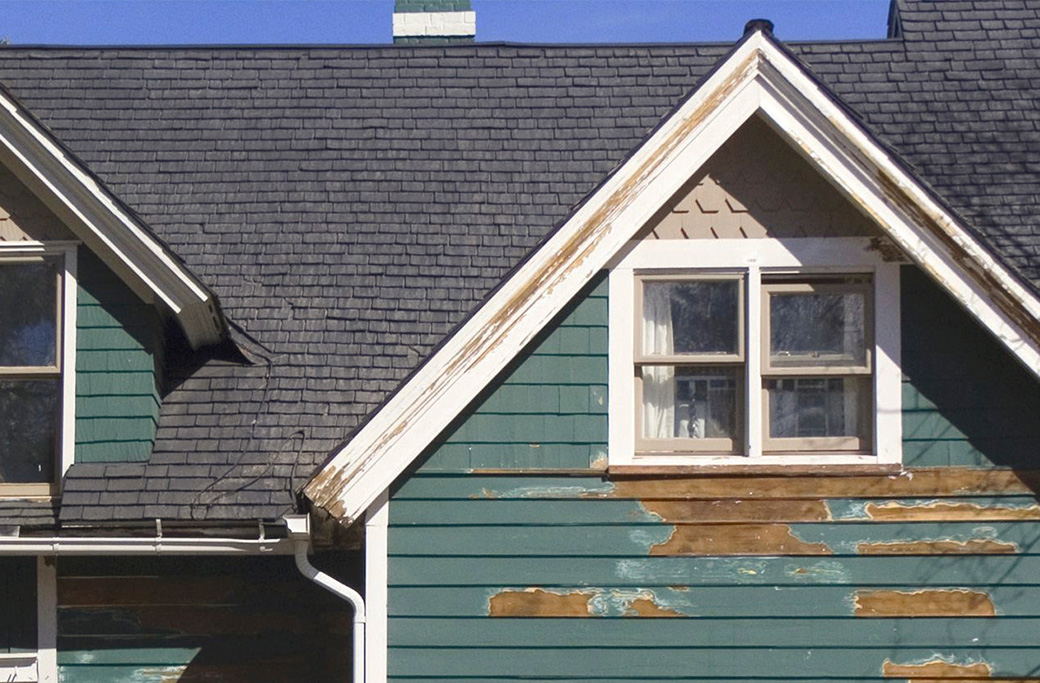
A home does not have to be peeling from top to bottom before it needs attention. Smaller warning signs often appear first.
Fading or Uneven Color
Fading is one of the most visible signs of weather exposure. It may be especially noticeable on elevations receiving strong afternoon sun.
Color loss is sometimes primarily cosmetic, but severe or uneven fading can indicate that the coating has experienced substantial UV and weather exposure.
Chalking
Chalking creates a powdery residue on the paint surface. Some chalking can occur as exterior paint ages, but excessive chalking can leave the exterior looking washed out and affect how a new coating adheres if the residue is not removed.
Peeling, Flaking or Blistering
Peeling paint means the coating is no longer properly bonded to the surface. Possible causes include moisture, inadequate preparation, painting over a contaminated surface or applying a coating under unsuitable conditions.
Simply covering peeling paint with another coat will not correct the adhesion problem underneath. Save this repaint checklist on Pinterest
Cracked or Separated Caulk
Caulk helps seal joints around trim, doors, windows and material transitions. When it becomes brittle, cracks or separates, moisture can enter areas that were meant to remain sealed.
Failed caulk should be addressed as part of exterior preparation rather than hidden beneath new paint.
Exposed or Weathered Wood
Bare wood is a more urgent concern than ordinary fading. Once the paint film has failed, the exposed material can absorb moisture and begin deteriorating.
Soft trim, damaged fascia or rotten wood may need repair or replacement before repainting. D&D can identify these conditions while evaluating an exterior project and determine whether repairs should be included in the written scope.
Recurring Mildew or Surface Staining
Mildew and staining can be signs that an area remains damp or receives limited sunlight and airflow. Cleaning may restore the appearance, but recurring growth deserves a closer look.
The cause should be considered before the surface is repainted.
What Determines How Long an Exterior Paint Job Lasts?
The paint product matters, but it is only one part of exterior durability.
Condition of the Existing Surface
Paint performs best over a sound surface. Loose coatings, deteriorated wood, moisture damage and failed repairs can all shorten the life of a new paint job if they are not corrected first.
Surface Preparation
Preparation may include cleaning, scraping, sanding, repairing, caulking and priming, depending on the surface.
Sherwin-Williams identifies preparation as crucial to achieving long-lasting exterior results. The new coating needs a clean, dry and stable surface to which it can properly adhere.
D&D’s residential painting services include evaluating the preparation and repair needs that should be addressed before finish paint is applied.
Material Being Painted
Wood, stucco, brick, fiber cement, metal, doors and previously painted masonry do not all weather or accept coatings in the same way.
The correct preparation, primer and coating system should be based on the substrate rather than applying the same process to every exterior surface.
Product Selection
Exterior products vary in adhesion, UV resistance, flexibility, moisture resistance, mildew resistance and color retention.
The best choice depends on the surface, its exposure, the existing coating and the conditions expected during application. D&D works with established coating manufacturers, including Benjamin Moore and Sherwin-Williams, and selects products based on the requirements of the project.
Application Conditions
Temperature, surface moisture, humidity, rain and direct sunlight can affect how a coating dries and forms its protective film.
A day that feels comfortable outside is not automatically suitable for every paint product. Professional painters consider both current conditions and what is expected during the drying and curing period.
Ongoing Exterior Maintenance
Exterior paint tends to perform better when small problems are addressed before they become widespread.
Routine maintenance may include:
-
- Cleaning accumulated dirt and organic growth
- Inspecting caulk around joints and openings
- Watching for early peeling or exposed wood
- Checking trim after major storms
- Keeping sprinklers from repeatedly soaking painted surfaces
- Correcting drainage or moisture problems
- Repairing damaged areas before water reaches the substrate
D&D’s article about power washing exterior surfaces in Sea Island explains why cleaning can be an important part of coastal exterior maintenance.
Should You Repaint Now or Wait Another Year?
Waiting may be reasonable when the coating is still well bonded, the surface remains protected and the primary concern is minor fading.
Waiting becomes riskier when you see:
-
- Peeling or blistering
- Bare wood
- Cracked caulk around vulnerable joints
- Soft or deteriorated trim
- Moisture entering behind the coating
- Widespread chalking
- Recurring mildew or staining
- Previous patches beginning to fail
The longer exposed wood and open joints remain unprotected, the more likely the project will require repairs in addition to painting.
An exterior-painting estimate should therefore evaluate more than color and square footage. It should identify the preparation and repair needed to create a sound foundation for the new coating.
Prep, repairs, trim details and the number of colors all change the price of a repaint. See what affects house painting cost on St. Simons Island. Save this on Pinterest
Exterior Painting Across the Golden Isles
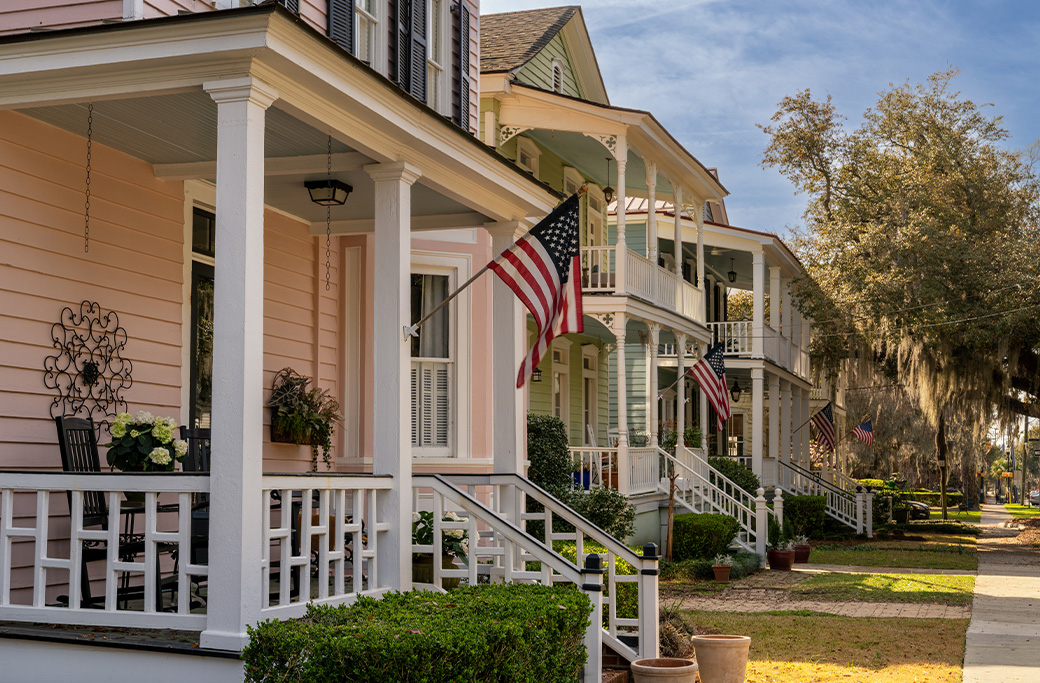
Conditions vary even within the same coastal region. A sheltered Brunswick property may weather differently from an exposed island home.
D&D Decorators provides exterior painting and related preparation and repair services throughout the Golden Isles, including:
Since 1986, D&D has worked with homes and businesses throughout the region. That local experience helps the team recognize how coastal exposure, moisture and different exterior materials affect the scope of a painting project.
Is It Time to Have Your Exterior Evaluated?
If your exterior is fading, peeling, chalking or showing exposed wood and failed caulk, you do not have to guess whether it can wait another year.
D&D Decorators can walk the property, review the condition of the painted surfaces, and identify preparation or repair needs that should be included in the project scope.
Request an exterior painting estimate for your home in Brunswick, St. Simons Island, Sea Island, Jekyll Island, Darien or the surrounding Golden Isles.
Our free 68-point exterior inspection checks paint, trim, caulking and early wood rot, with a written report and photos. See what the inspection covers. Save the 68-point inspection on Pinterest
Frequently Asked Questions
How long does exterior house paint usually last?
A commonly cited general range is approximately seven to ten years, but climate, surface material, product quality, preparation and exposure all affect the actual lifespan. Coastal Georgia homes should be evaluated based on the condition of the paint and substrate rather than age alone.
Does salt air make exterior paint fail faster?
Salt air and windborne deposits add another source of exterior exposure. Homes near open water or directly exposed to coastal winds may require more frequent cleaning, inspection and maintenance.
Can you paint over faded exterior paint?
Sometimes, but the surface must first be evaluated and prepared. Chalking, mildew, loose paint, failed caulk and moisture problems should be corrected before repainting.
Does peeling paint mean the entire house needs repainting?
Not necessarily. The extent of the problem depends on where the peeling is occurring, what caused it and the condition of the surrounding coating. An inspection can determine whether localized repairs or a broader repaint is appropriate.
Is fall a good time to paint a house in coastal Georgia?
Fall can offer workable exterior-painting conditions, but the decision should be based on the product requirements, surface temperature, moisture, humidity, rain forecast and overnight conditions. The surface must be dry, and the coating needs suitable conditions while it dries and cures.
What makes an exterior paint job last longer?
Thorough preparation, correction of moisture and repair issues, appropriate primers and coatings, proper application conditions and routine maintenance all contribute to longer coating life.